
Fine dining etiquette is not about forks — it is a test of composure that rooms use to price you. The napkin, the phone, the pacing, the check: the rules that signal you belong, and the tells that say you don't. By Brian Doyle.
Read the essay →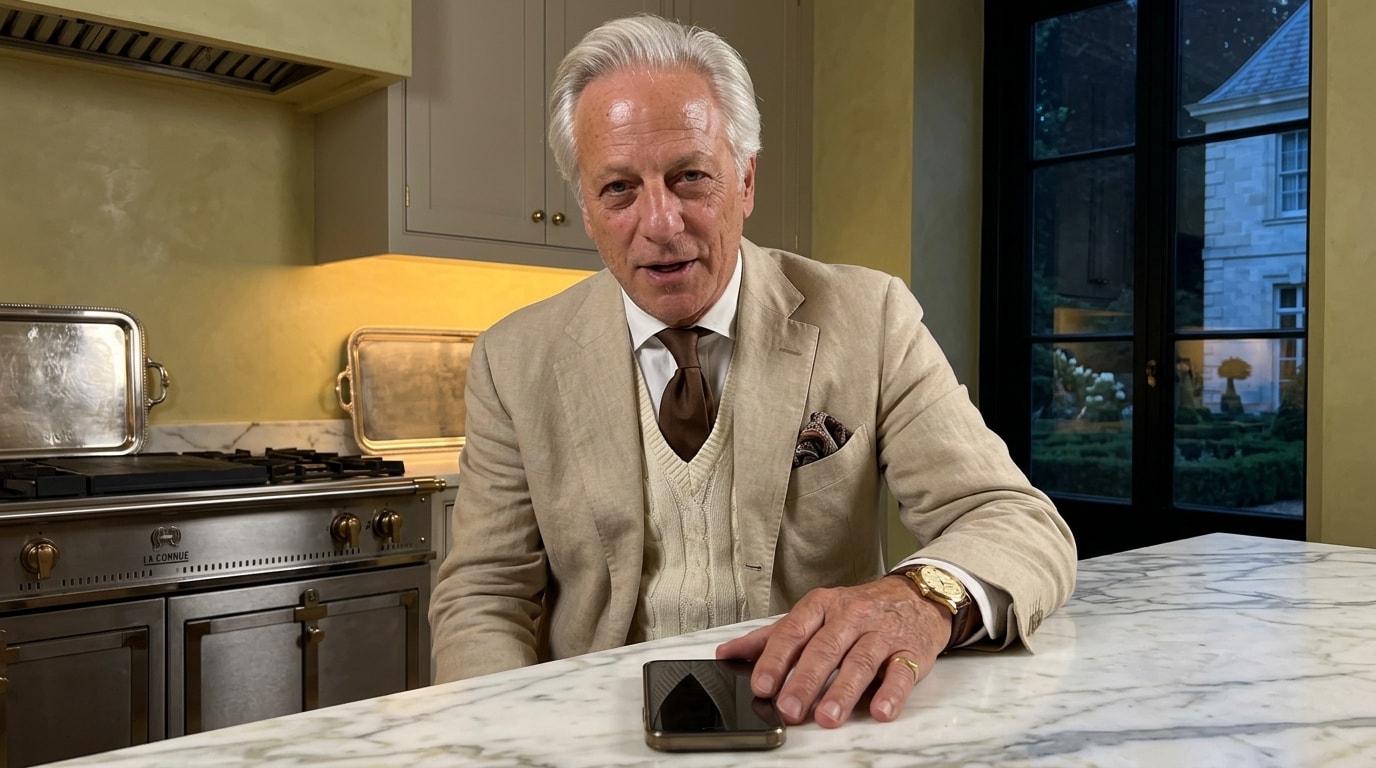
When family asks for money, the answer should come from a protocol, not a mood: crisis or pattern, inside the ceiling or not, and what precedent the yes creates. By Brian Doyle.
Read the essay →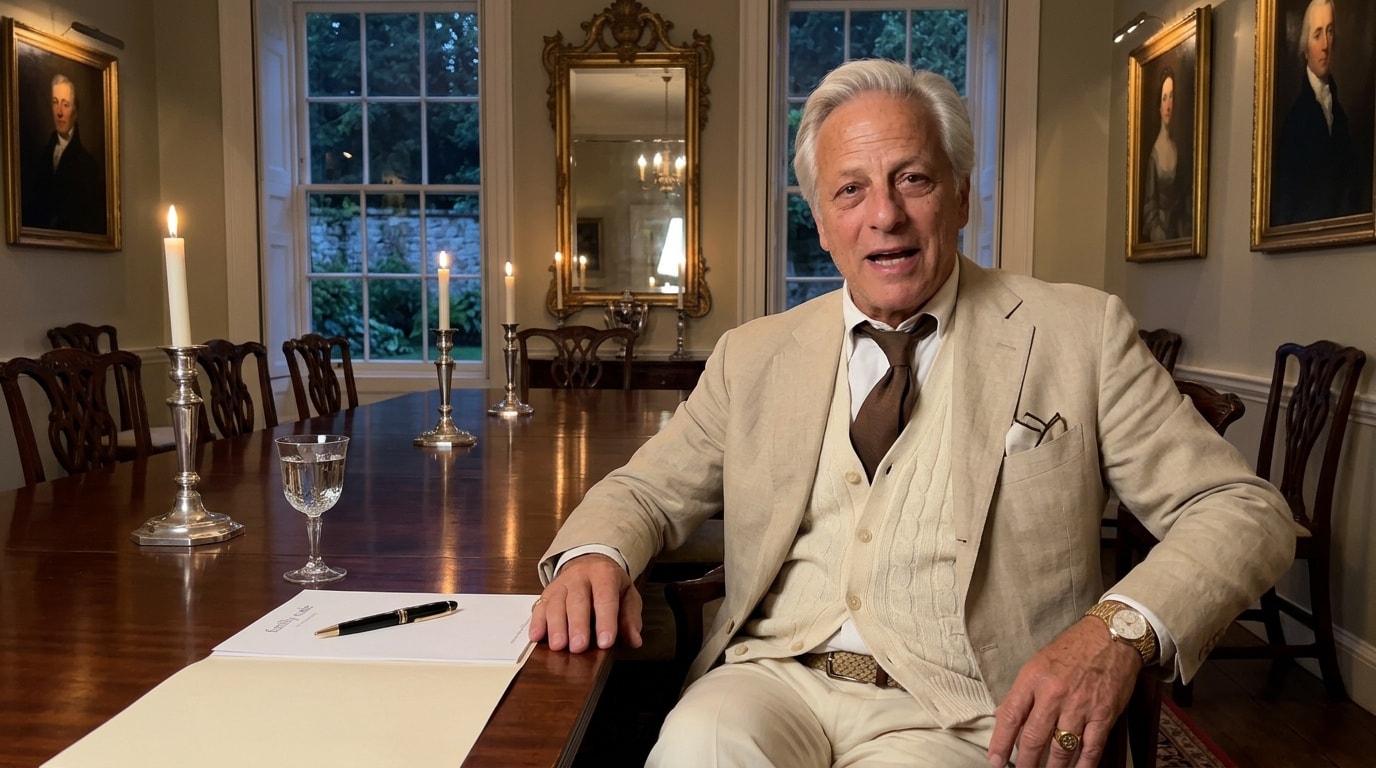
Family money rules old money actually writes down: no lending inside the family, gifts by ceiling, asks answered by protocol, no cosigning. The seven-rule code, and where each rule gets tested. By Brian Doyle.
Read the essay →
Wealthy parents say 'we cannot afford this' while both of you know they could write the check. The sentence is not about money — it is heir training in six words. What it teaches, when to use it, and the honest version. By Brian Doyle.
Read the essay →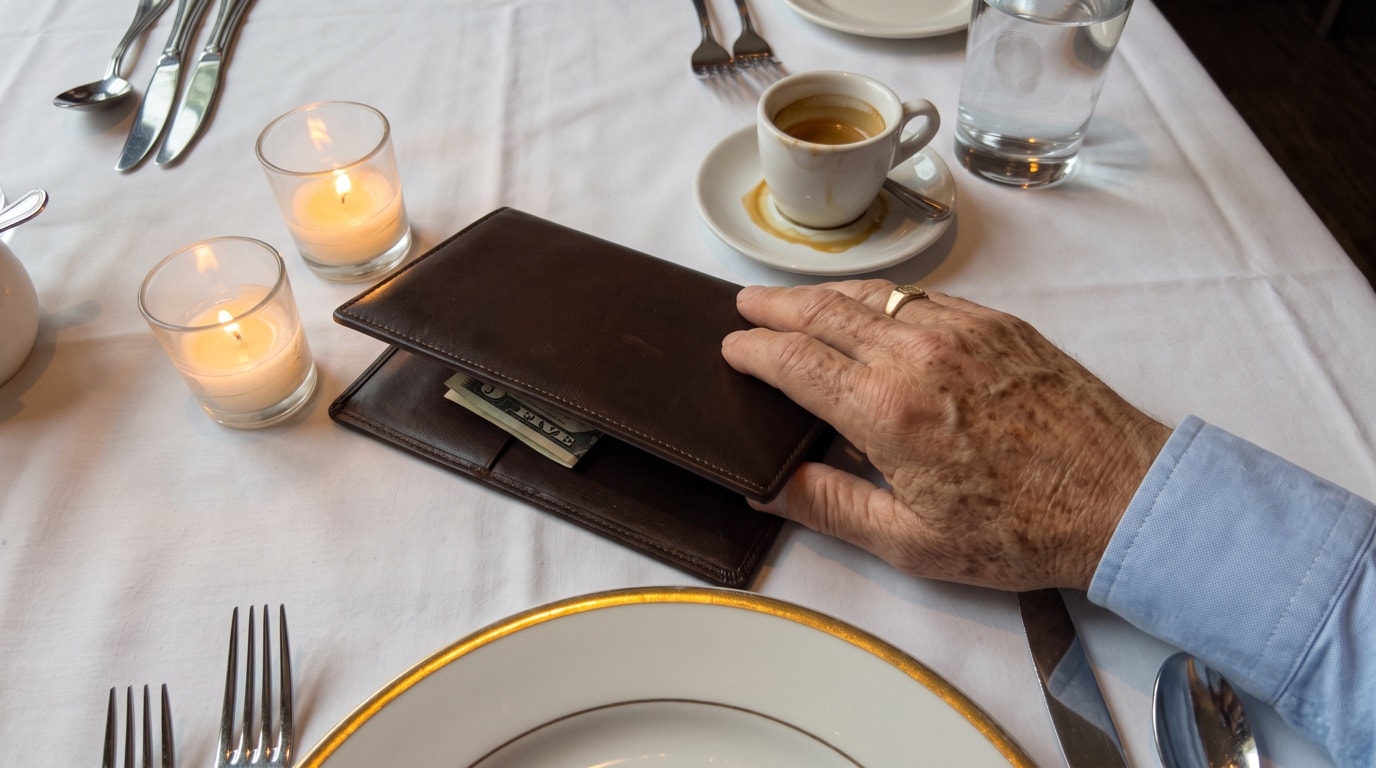
Tipping etiquette without the theater: 20% on the pre-tax bill as the floor, decided in advance, executed silently. Who gets what, when to go above, and why the performance of tipping costs more than the tip. By Brian Doyle.
Read the essay →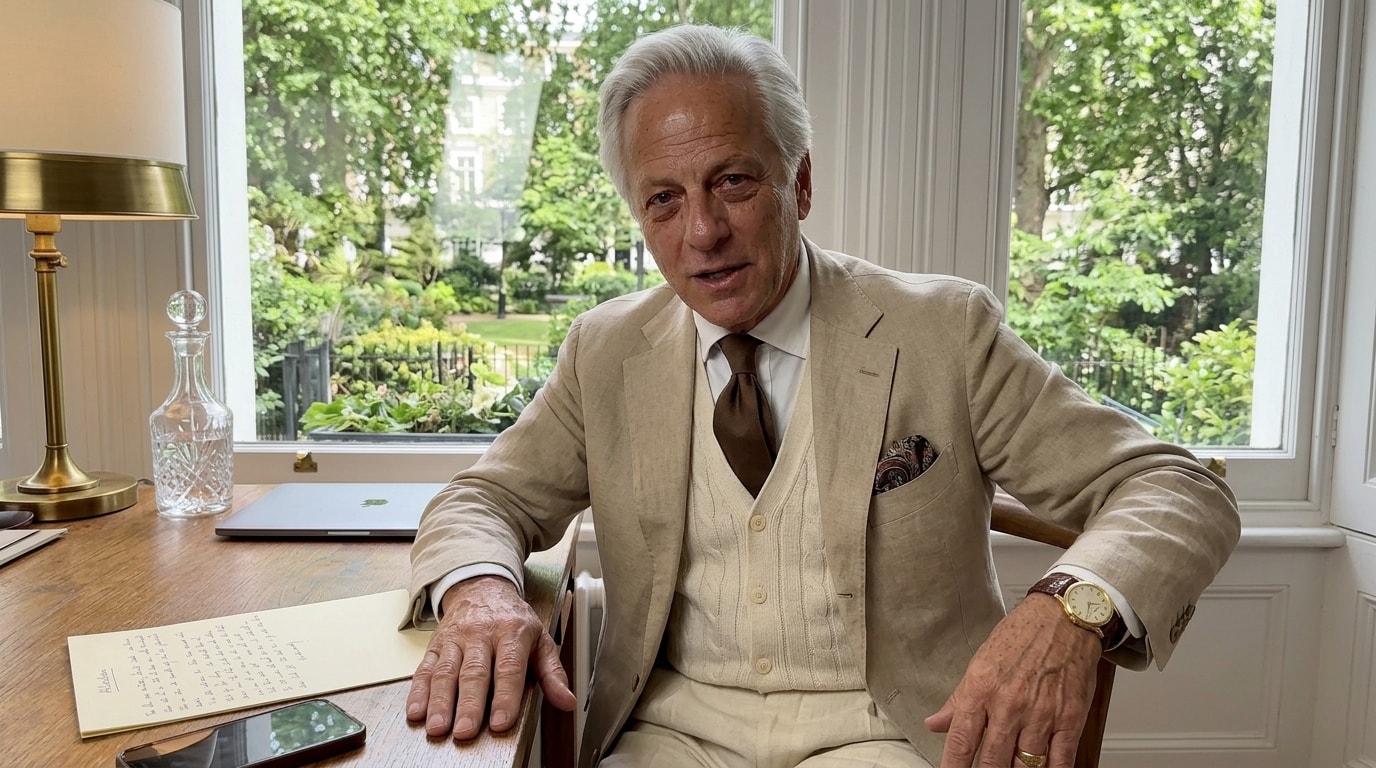
Old money doesn't chase returns — it manages attention. Why the quietest portfolios compound the fastest, and how to apply the same discipline this week.
Read the essay →
The signs of quiet wealth are absences: no price talk, no logo dependence, no schedule panic, unremarkable cars, invisible generosity. Nine tells that the money is real — and the fake versions to screen out. By Brian Doyle.
Read the essay →
Who pays at dinner is decided by one rule: the inviter hosts. When to pick up the check, when to split evenly, when to let the host have it — and why wrestling for the bill is the loudest thing at the table. By Brian Doyle.
Read the essay →
The rules for gifting money to family: give silently, cap it by system not emotion, fund assets not lifestyles, and know the IRS annual exclusion before the money moves. By Brian Doyle.
Read the essay →